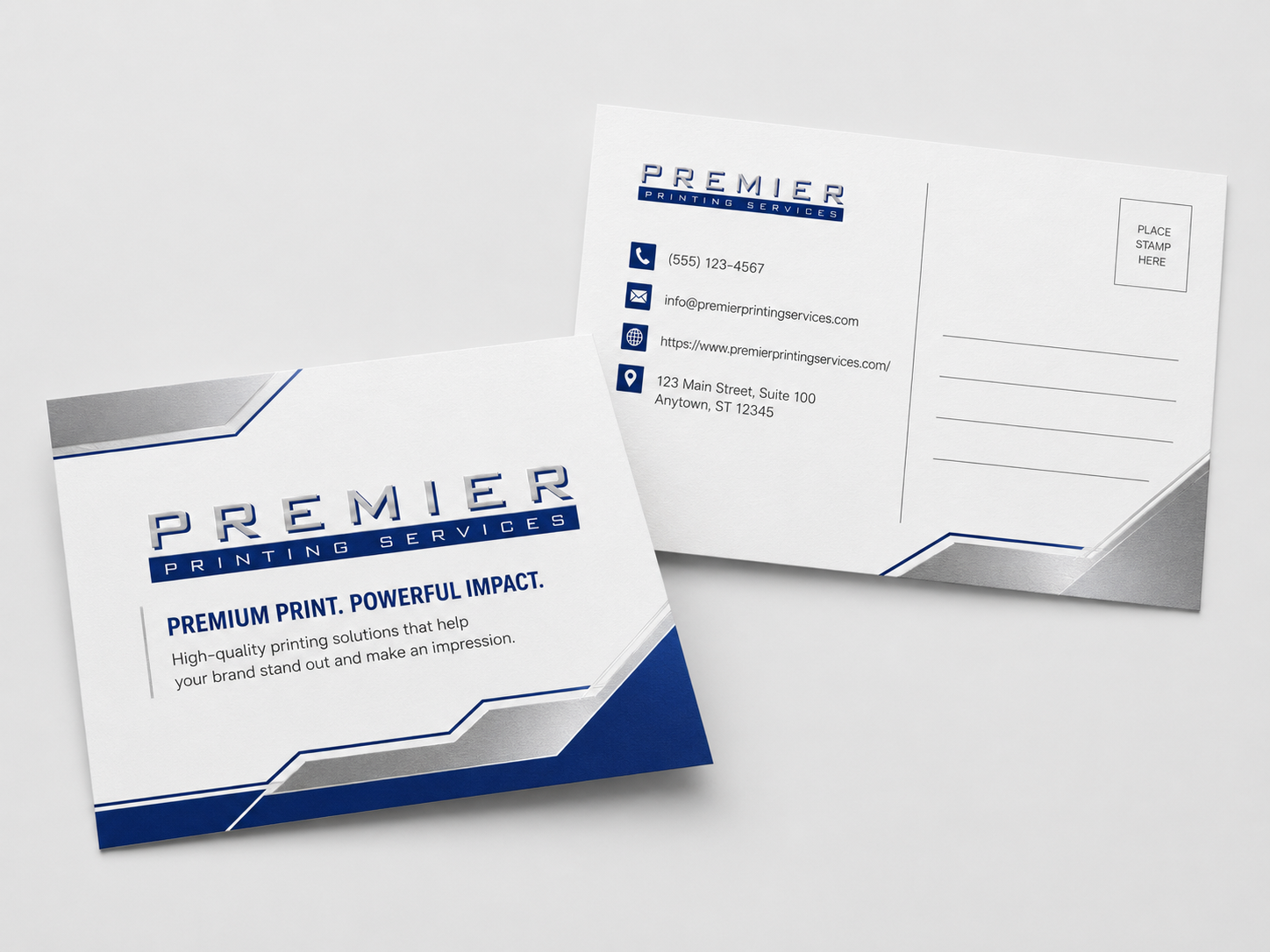
A strong print marketing campaign Los Angeles businesses can rely on doesn’t start with picking the flashiest design. It starts with understanding what you want people to do, where they’ll see your message, and how the printed piece fits into the rest of your sales or outreach process.
For small business owners, office managers, and marketing teams, print has to work hard. A flyer may need to bring people into a storefront. A postcard may need to drive calls or website visits. A banner may need to be readable from across a busy street or trade show aisle.
The good news is that standing out doesn’t always mean spending more. It usually means planning better, making clear design choices, and catching production issues before they affect your deadline.
Start With One Clear Campaign Goal
Before you choose paper, size, quantity, or finishing, decide what success looks like. Are you trying to announce a grand opening, promote a seasonal offer, invite people to an event, support a sales team, or bring traffic to a local storefront?
A print campaign with one main goal is easier to design and easier for customers to understand. If a postcard tries to promote five services, three offers, and a long company story, most readers won’t know what matters most.
Keep the message focused. A restaurant might promote a lunch special. A retail shop might push a weekend sale. A professional office might mail a service reminder to existing clients. If you’re still in the early planning stage, this guide on how to start a print marketing campaign can help you organize the basics before requesting a quote.
Know Where Your Print Piece Will Be Seen
Los Angeles is a busy market. People may see your printed piece while walking past a storefront, sorting mail at home, attending a convention, picking up food, or sitting in a waiting room. The setting should influence the design.
A flyer handed out at an event needs a quick headline and an obvious next step. A brochure in a lobby can hold more detail because the reader may have a few minutes. A banner on a sidewalk needs large text, strong contrast, and very little clutter.
Local context matters too. A campaign for a neighborhood restaurant in Echo Park may need a different tone and format than a B2B campaign for downtown Los Angeles offices. If your campaign is tied to a storefront or local promotion, you may also find this article on banner printing in Los Angeles useful.
Choose Print Formats That Match the Job
Not every campaign needs every print product. The strongest campaigns usually use a few pieces that support each other.
Common pieces for local campaigns
- Postcards: Useful for direct mail, event reminders, customer reactivation, and neighborhood promotions.
- Flyers: Good for handouts, counter displays, community boards, and event distribution.
- Brochures: Helpful when you need to explain services, packages, programs, or product categories.
- Banners and signs: Strong for visibility at storefronts, events, schools, trade shows, and pop-up activations.
- Business cards or appointment cards: Simple leave-behind pieces that support personal follow-up.
If your campaign includes mailing, list quality, size, postage rules, and addressing requirements all matter. For campaigns focused on local households or neighborhoods, review the options on mass mailing in Los Angeles or read more about whether mass mailers actually work.
If you’re promoting at a convention or expo, your needs may include booth signage, handouts, sell sheets, badges, and shipping coordination. Premier’s trade show printing in Los Angeles page is a helpful place to start.
Make the Design Easy to Understand
Great print design is not just about looking good. It’s about helping someone understand the offer quickly and take action.
Start with a strong headline that says what the piece is about. Add one clear benefit, a short explanation, and a call to action. Make sure the phone number, URL, QR code, address, or offer deadline is easy to find.
Use white space. It can be tempting to fill every inch because you’re paying for the printed space, but crowded layouts are harder to read. A clean design often feels more professional and performs better because the reader doesn’t have to work as hard.
Photos and logos should be suitable for print, not just copied from a website or social media profile. Low-resolution images may look acceptable on a screen but print poorly. If you’re unsure, this article on what makes a logo or photo suitable for high-quality print production explains what to look for.
Use Paper and Finishing With a Purpose
Paper choice affects how your campaign feels, how it holds up, and how people perceive the message. A lightweight flyer may be fine for a short-term handout. A thicker stock may make more sense for a premium service brochure, invitation, or sales leave-behind.
Coated stocks can make colors and photos feel more polished, while uncoated stocks can feel more natural and may be easier to write on. Specialty finishes may help certain pieces stand out, but they should support the message rather than distract from it.
Before choosing a stock or finish, think about handling. Will the piece be mailed? Folded? Written on? Displayed outdoors? Carried around an event? Confirm paper, coating, folding, mailing, and finishing details with the print shop before production. For a deeper look, see this guide to choosing the right paper stock.
Plan File Setup, Proofing, and Deadlines Early
Many print problems happen before the file ever reaches the press. Missing bleed, low-resolution images, incorrect color setup, small type, and last-minute copy changes can slow a project down.
If you’re creating files in-house, confirm the print shop’s preferred file format, bleed, trim size, safe margins, color settings, and image resolution before finalizing artwork. Specs can vary by product and production method, so it’s better to ask than guess. Premier’s Prepress Toolkit is a useful resource for checking artwork, bleed, resolution, color, and proofing questions.
Bleed and safety margins are especially important when color, photos, or graphics run to the edge of the piece. If you want a quick explanation, read why bleed, trim, and safety margins matter.
Build in time for internal approvals. Office managers and marketing teams often need input from owners, department heads, legal reviewers, school administrators, or event partners. A clean approval process helps prevent rushed changes and version confusion. This print deadline checklist can help your team stay organized.
How to Make a Print Marketing Campaign Los Angeles Customers Notice
Standing out in Los Angeles often comes down to relevance. People respond when the message feels specific to their needs, neighborhood, schedule, or problem.
Use local cues when they’re helpful. Mention a neighborhood, event, service area, campus, business district, or seasonal need if it makes the message stronger. A generic message may be easier to reuse, but a targeted message often feels more personal.
Consider pairing print with a simple digital follow-up. A QR code can send people to a landing page, menu, appointment form, coupon, event registration page, or quote request. Just make sure the destination page matches the printed offer. If the flyer says “Book a consultation,” the QR code shouldn’t lead to a cluttered homepage where the reader has to hunt for the next step.
For small companies planning repeat campaigns, consistency also matters. Keeping colors, logo use, fonts, and messaging aligned across postcards, flyers, signs, envelopes, and business cards helps customers recognize you faster. Businesses with frequent or multi-location print needs may want to explore business printing in Los Angeles or corporate printing in Los Angeles.
Common Print Campaign Mistakes to Avoid
Most print mistakes are preventable. The challenge is that they often show up late, when your team is already close to a launch date.
- Trying to say too much: One printed piece should not carry your entire sales pitch.
- Using weak calls to action: Tell readers exactly what to do next, such as call, scan, visit, RSVP, or bring in the card.
- Forgetting the audience: A piece designed for existing customers may not work for cold prospects.
- Submitting artwork too late: Build in time for proofing, approvals, revisions, production, mailing, and delivery if needed.
- Ignoring file setup: Bleed, resolution, color, fonts, and margins can affect the finished piece.
- Choosing materials without context: Paper and finishing should fit the purpose, handling, and budget of the campaign.
If your team doesn’t have design or prepress support, ask for help early. It’s usually easier to fix a file before production than after proofs, mailing dates, or event deadlines are involved. Premier also offers prepress and graphic design services for businesses that need file review or design assistance.
What to Know Before Requesting a Quote
A print shop can give better guidance when your request includes the right details. You don’t need to know every production term, but a little information helps avoid back-and-forth.
Before requesting a quote, gather:
- The type of printed piece you need, such as postcard, flyer, brochure, banner, or booklet
- Size, quantity, and whether there are multiple versions
- Single-sided or double-sided printing
- Paper preference, if known
- Finishing needs, such as folding, scoring, binding, mounting, or lamination
- Mailing, delivery, or event date requirements
- Whether artwork is ready or design help is needed
- Any brand guidelines, color requirements, or special handling notes
If you’re not sure what to choose, that’s normal. Share the campaign goal and where the piece will be used. A professional print team can help you compare practical options and identify questions before production begins.
Frequently Asked Questions
What makes a print marketing campaign stand out?
A print campaign stands out when the message is clear, the format fits the setting, the design is easy to read, and the next step is obvious. Paper, color, size, and finishing can help, but they work best when the campaign has a focused goal.
How early should I start planning a print campaign?
Start as early as possible, especially if the campaign involves design, approvals, mailing, installation, or an event date. Timelines vary by project, so confirm production and delivery expectations with the print shop before committing to a launch date.
Do I need professional design files for printing?
Professional files are helpful, but the exact requirements depend on the product. If you’re unsure about file format, bleed, resolution, color, or margins, ask the print shop to review your artwork before production.
Can print marketing work with digital marketing?
Yes. Many businesses use print to drive people to a website, landing page, online coupon, registration form, or sales team. QR codes and trackable URLs can help connect printed pieces to digital follow-up.
Ready to Build a Better Print Campaign?
A successful print marketing campaign Los Angeles customers notice is built on clear goals, strong design, practical materials, clean files, and realistic planning. You don’t have to figure out every specification alone. The right print partner can help you choose formats, review artwork, plan production, and avoid common issues before they slow your project down.
If you’re planning a campaign for a storefront, office, event, mailing, school, nonprofit, or sales team, contact Premier Printing Services for more information or project help.